The decision
Two audiences, two languages, one spine. The story stays the same. Only the ask at the end changes.
The brief
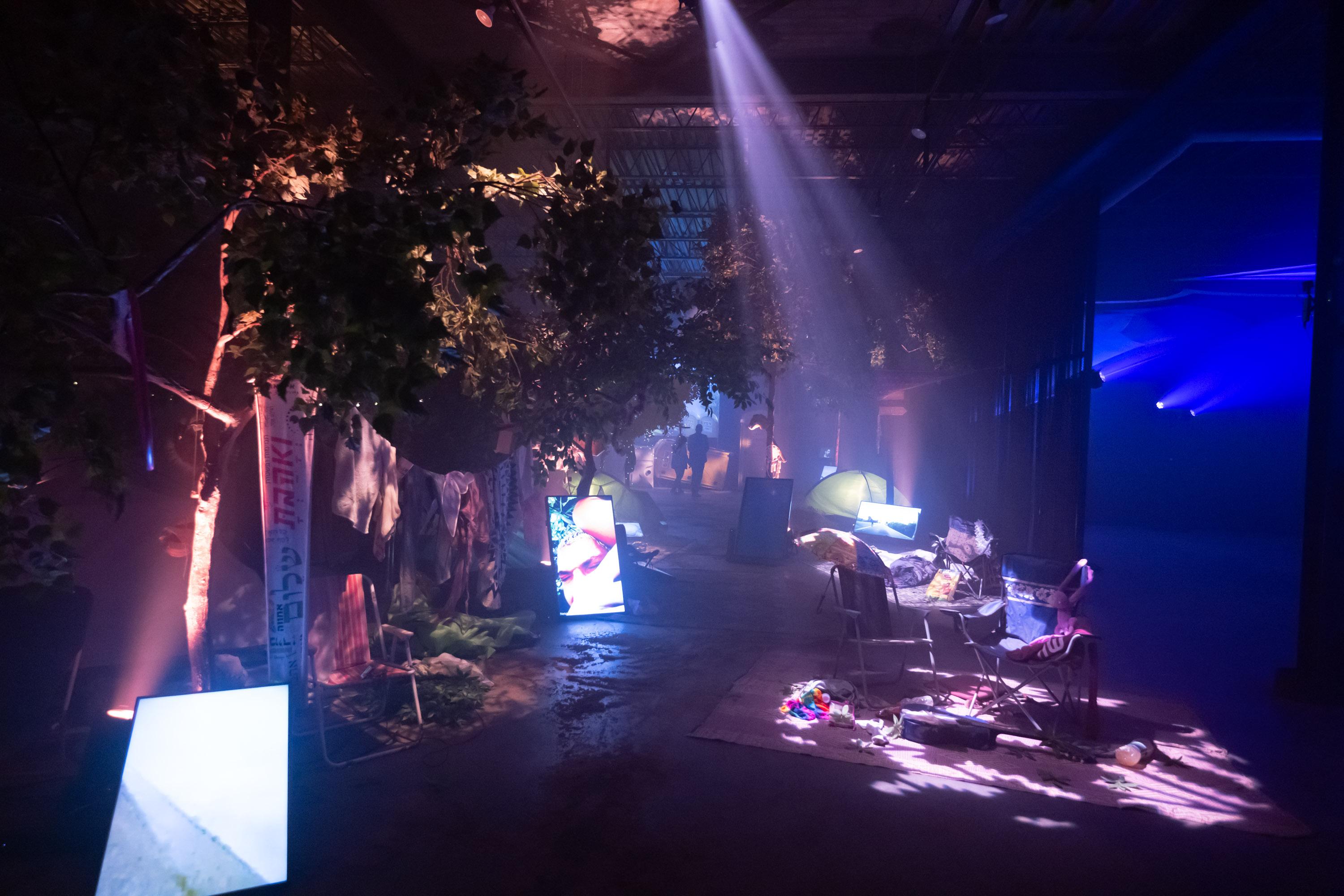
The Tribe of Nova had already raised millions and toured eleven countries. Now they were bringing the memorial home to Israel, near where the massacre happened. They needed someone here to build the decks that would land locally, for donors and for authorities.
What I saw
Their materials were built for audiences abroad, and none of them spoke to the Israeli donor.
Once we took it apart, it turned out there were two completely different audiences, but only at the end. The story itself is the same for both: what the memorial is, what happened there, and what it does to the people who walk in. What changes is the ask.
For authorities, the ask is practical and measurable. For donors there's no ask like that, and that was the real problem: they themselves didn't know what they wanted to say.
How it works
One spine
The opening, the memorial, what's inside it, the world tour and the numbers. All identical in both decks, because the story doesn't change based on who's listening.
The ending for authorities
A concrete ask: land near the Re'im parking lot, its size, the tent area, and the list of commitments that come with it: fencing, security, an engineer on site, police requirements, and returning the land as it was. An official reading it knows exactly what they're signing.
The ending for donors
There's no form to fill here, so the ending is about why it matters: what survivors and families are going through today, and what a donation actually makes possible.
What stayed out
They didn't know what they wanted to say to donors, and I didn't write them something they don't want to say. What went into those slides is only what they stand behind.
Status
They're using the Hebrew authorities deck in meetings. The rest are ready, including English, for when they're needed.